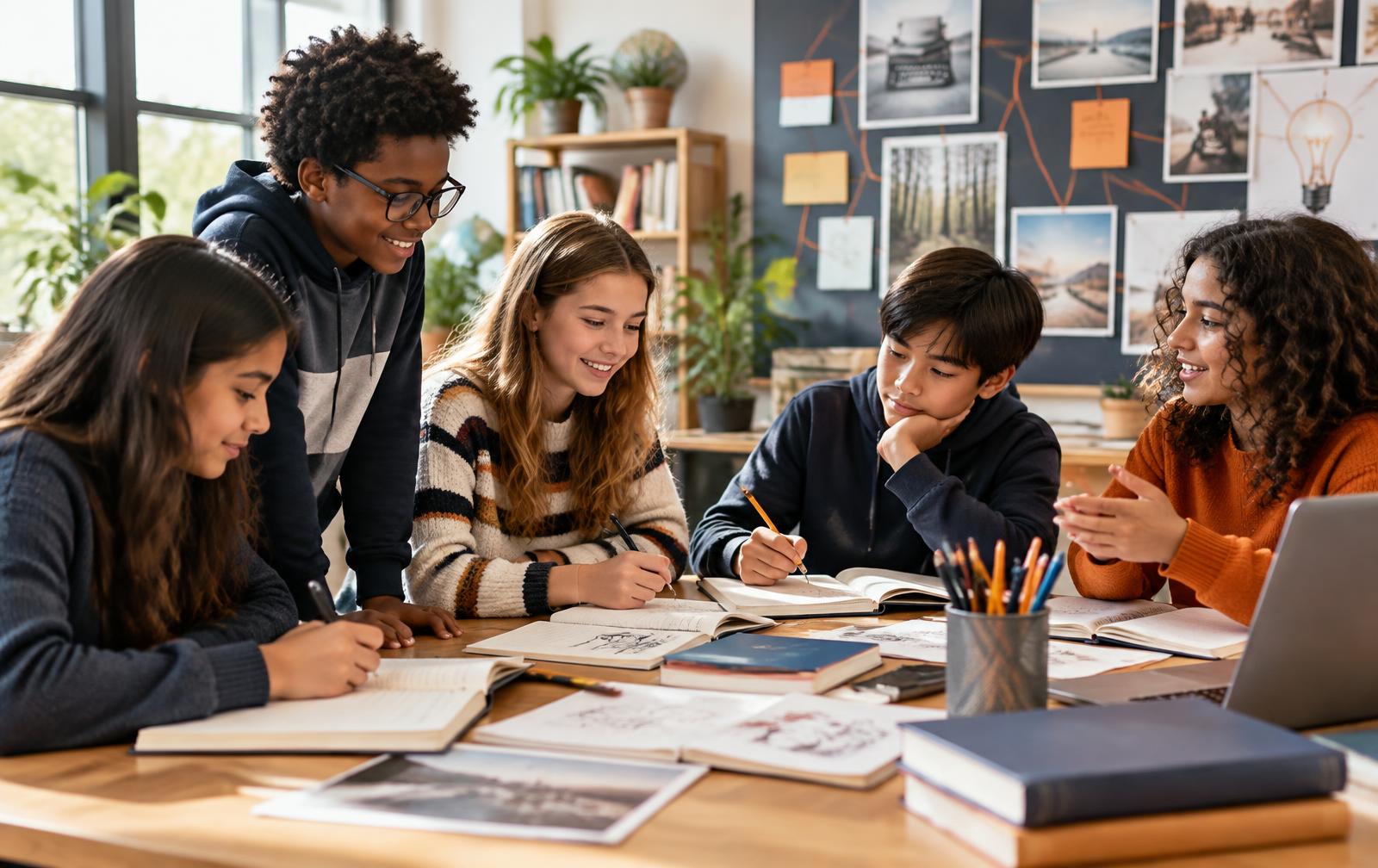
From Consumer to Creator: Helping Children Use Technology Differently
The endless battle over screen time often misses the point. It's not just about how much time children spend on devices, but how they spend it—as passive consumers or as active creators.
Gary Gopinathan · 14 October 2026 · 6 min read
For many parents, the term ‘screen time’ triggers a familiar sense of unease. It’s a constant negotiation, a source of household friction, and a nagging question: how much is too much? But what if we’ve been asking the wrong question all along?
While the quantity of screen time is a valid consideration, the real conversation we need to have is about its *quality*. There's a profound difference between a child passively consuming content and one who is actively creating with it. This distinction is the key to reframing our relationship with technology and helping our children use it in more powerful, purposeful ways.
The Lure of Passive Consumption
Passive consumption is the default mode for most technology use. It’s the endless scrolling through social media feeds, binge-watching YouTube videos, or playing games that rely on simple, repetitive mechanics. It’s leaning back and letting content wash over you.
The appeal is understandable. These activities are designed to be engaging and require little cognitive effort, providing easy and immediate rewards. There's nothing inherently wrong with this kind of digital downtime; we all need to relax. The issue arises when consumption becomes the only way a child interacts with the digital world, leaving a vast landscape of creative potential unexplored.
What Does It Mean to Be a Creator?
Being a creator means leaning in. It’s about switching from asking “What can I watch?” to “What can I make?” It’s the active, sometimes challenging, and deeply rewarding process of using technology as a tool to build, design, and express ideas. This shift in mindset opens up a universe of possibilities.
Coding and Building
At its heart, coding is a creative language. It’s not just about typing lines of syntax; it’s about solving puzzles and bringing an idea to life. When children learn to code, they can build their own simple games, design an interactive story, or create a useful website for a school project. They move from being a player in someone else’s game to becoming the architect of their own.
Robotics and Making
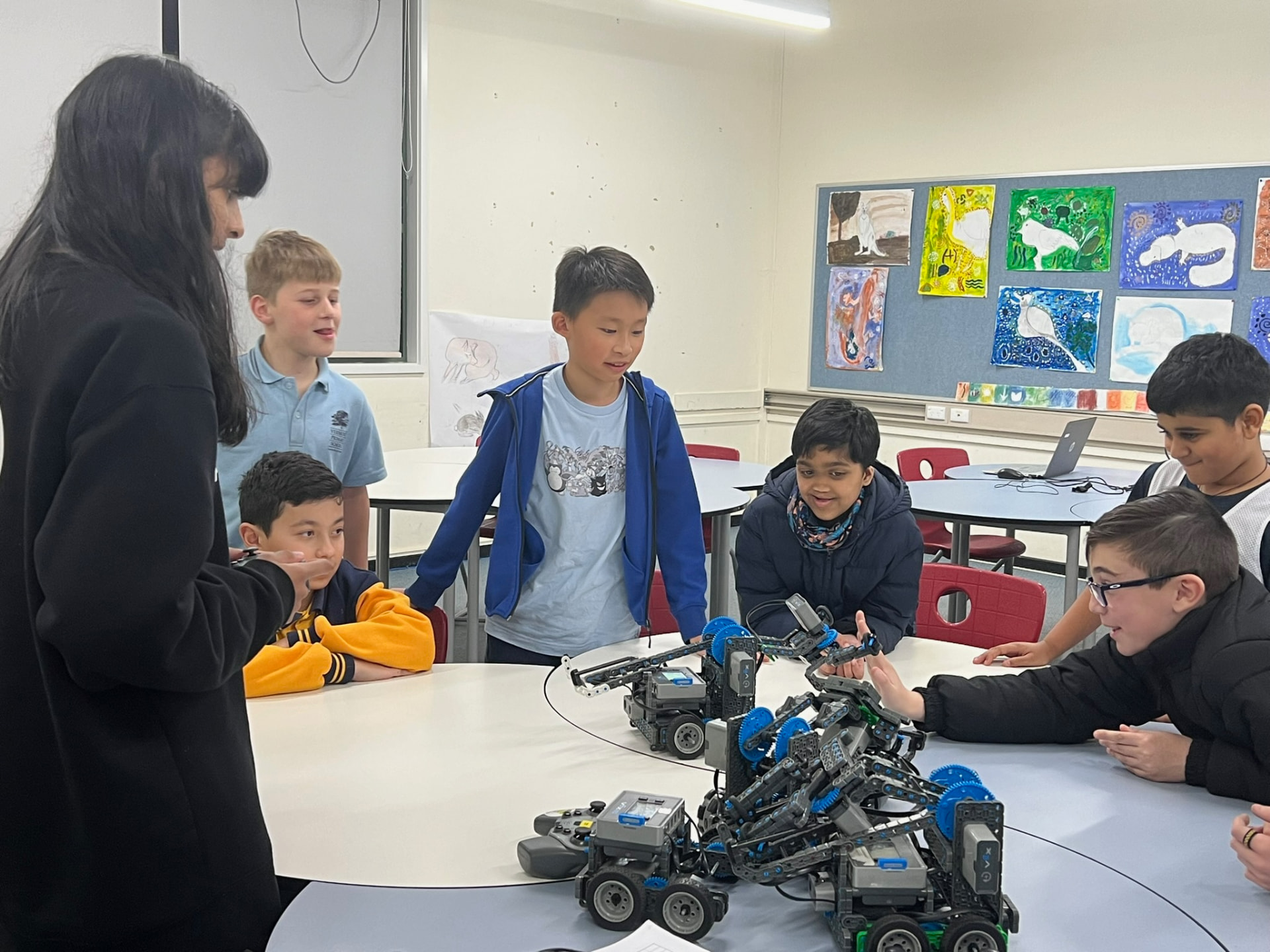
Robotics takes the digital and makes it physical. This is where code, engineering, and creativity collide. A child who builds and programs a robot experiences the unique thrill of seeing their digital commands manifest in the real world. They learn about sensors, motors, and logic, all while tackling tangible challenges like making a robot navigate a maze or pick up an object.
Digital Storytelling
Creation isn't limited to purely technical fields. Technology offers incredible tools for modern storytellers. A young creator might produce a mini-documentary with a smartphone, compose digital music for a podcast, design a graphic novel with a simple app, or build an immersive world in a platform like Minecraft. They learn to structure narratives, consider their audience, and blend technical skill with creative vision.
The Benefits of a Creator Mindset
Encouraging a child to become a creator isn’t just about preparing them for a tech-heavy future. It’s about developing foundational human capabilities that are timelessly valuable. When children create, they aren't just making a thing; they're building themselves.
- Problem-Solving and Critical Thinking: Debugging a piece of code or figuring out why a robot won't move teaches a systematic approach to identifying and fixing problems.
- Resilience and Persistence: Creation is rarely a straight line. Hitting a wall, feeling frustrated, and then pushing through to find a solution builds incredible grit and a healthy relationship with failure.
- Creativity and Self-Expression: Technology becomes a new canvas. It provides a powerful medium for children to express their unique ideas and bring their imagination to life.
- Purpose and Agency: When a child builds something that solves a problem or brings joy to others, they realise they can have a positive impact on the world around them.
When a child builds something that solves a problem or brings joy to others, they realise they can have a positive impact on the world around them.
Practical Steps to Nurture a Creator
Transitioning from consumer to creator doesn't require expensive equipment or a degree in computer science. It starts with small shifts in conversation and curiosity at home.
- Start with their interests: If they love playing games, ask them how they think the game was made. Explore free tools like Scratch (from MIT) or Roblox Studio that let them build their own simple versions.
- Connect to the real world: If they’re passionate about a topic, challenge them to create something about it. Could they build a website about their favourite animal? Or create a short animated video explaining a science concept?
- Reframe the conversation: Instead of setting a simple ‘screen time’ limit, try creating categories like ‘consumption time’ and ‘creation time’. This acknowledges that both have a place, while prioritising active engagement.
- Celebrate the process: When they show you their project, praise their effort, their clever problem-solving, and their persistence, not just the final result. Ask, “That’s amazing! What was the hardest part to figure out?”
Finding a Path for Your Young Creator
While a parent’s encouragement is the most important ingredient, sometimes a structured, mentored environment can ignite a spark and provide a clear path forward. This is at the core of our philosophy at Innovate Forge Academy: human capabilities first, technology with purpose.
Our tagline—Discover. Create. Lead.—is a direct reflection of this journey. We believe in helping children discover their interests, giving them the tools and confidence to create, and empowering them to lead in their own lives. Programs in our Technology & AI pathway are designed specifically to guide children from consumption to creation in fields like coding and robotics, all within a supportive and collaborative environment.
This creative spark isn't limited to code. It extends to crafting compelling narratives in our Creative Writing & Storytelling programs, empowering children to become master communicators in a digital world. We see these skills as interconnected parts of a whole, capable child.
If you're curious about how to support your child's unique journey and see where their interests could take them, a complimentary 15-minute Parent Discovery Session is a wonderful, no-obligation way to start the conversation.
Beyond the Screen
The goal, ultimately, is not to eliminate screens but to enrich our children’s interaction with them. It’s about helping them see technology not just as a source of entertainment, but as a toolbox, a paintbrush, and a powerful lever for changing their world.
By guiding them from a consumer to a creator mindset, we are giving them more than just technical skills. We are nurturing their curiosity, building their resilience, and showing them that they have the power not just to observe the future, but to actively build it.
Interested in where this could lead for your child?
Explore Technology ProgramsGary Gopinathan
Founder, Innovate Forge Academy
Gary Gopinathan is an educator, entrepreneur, leadership coach and founder of Innovate Forge Academy. With more than 25 years of experience in education, technology and capability development, he explores how young people can develop confidence, creativity, leadership and future-ready skills.