Should Children Still Learn Coding in the Age of AI?
With AI assistants now writing code, many parents wonder if coding is still a vital skill for children. This article explores why learning to code remains one of the best ways to develop timeless skills like logic, problem-solving, and systems thinking in an AI-driven world.
Gary Gopinathan · 5 August 2026 · 6 min read
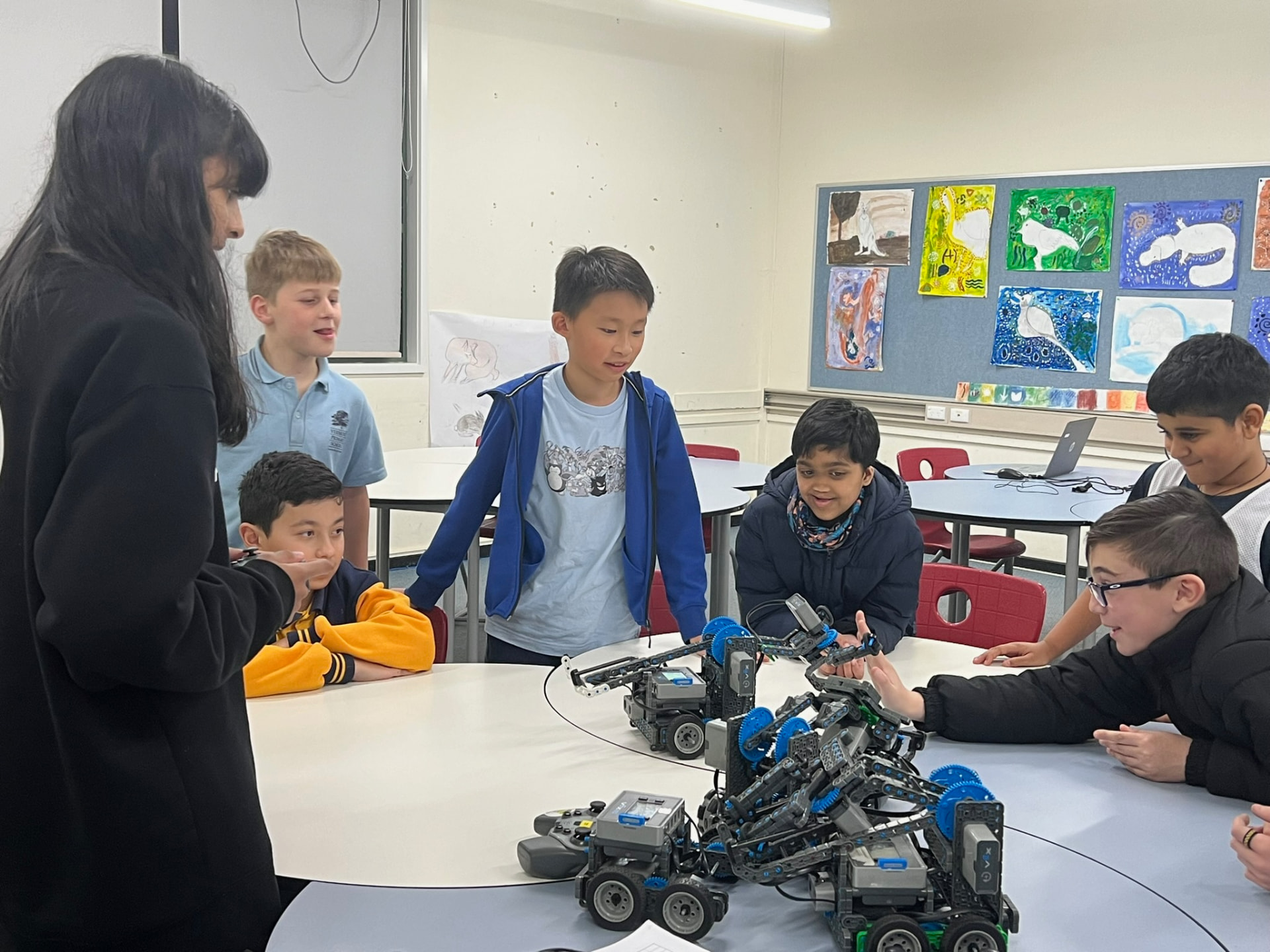
With artificial intelligence tools now capable of writing computer code in seconds, it’s a question many parents are asking: should my child still learn to code?
It’s a valid concern. If a machine can generate code automatically, is the painstaking process of learning programming languages becoming obsolete?
The short answer is no. In fact, the opposite is true. While the *practice* of coding is changing, the fundamental skills it teaches are more crucial than ever for navigating an AI-driven world. Learning to code is no longer just about becoming a software engineer; it’s about developing a new kind of literacy.
From Code Writer to Creative Director
Think of AI coding assistants like a brilliant but very literal junior partner. They can handle repetitive tasks, suggest solutions, and write code incredibly fast, but they lack context, creativity, and true understanding.
The human role is shifting from that of a bricklayer, meticulously placing every line of code, to that of an architect and project manager. The challenge is no longer just writing the code, but defining the problem with precision, evaluating the AI's suggestions, debugging its output, and integrating it all into a cohesive, working system.
The essential human skill is no longer just writing the code yourself. It’s knowing what to ask for, how to recognise a good solution, and how to fix a bad one.
This new partnership with AI doesn't make human skills redundant; it elevates them. It places a premium on the very cognitive abilities that learning to code has always nurtured.
The Timeless Skills Forged by Coding
When we look past the syntax of Python or the blocks in Scratch, we find a powerful mental gymnasium. Learning to code is one of the most effective ways for a child to develop a set of durable, transferable thinking skills.
Computational Thinking: A Blueprint for Problem-Solving
At its heart, coding is applied computational thinking. This is the process of breaking down a large, complex problem into a series of smaller, more manageable steps. It involves spotting patterns, focusing on what’s important, and designing a step-by-step solution, or algorithm.
Whether a child is building a simple game or figuring out why a robot won't follow a line, they are practising this discipline. This ability to deconstruct challenges and logically sequence solutions is a superpower that applies to everything from writing a school essay to planning a science experiment.
Logic and Reasoning: Building a Structured Mind
Computers are ruthlessly logical. They do exactly what you tell them to, which means instructions must be precise, ordered, and unambiguous. Learning to code forces a child to think with this level of clarity.
Concepts like ‘if-then-else’ statements, loops, and variables are not just programming jargon; they are exercises in formal logic. Mastering them strengthens a child’s ability to reason, build structured arguments, and understand cause and effect in any system.
Debugging: The Gentle Art of Getting It Wrong
In coding, nothing works perfectly the first time. This isn’t a sign of failure; it’s a core part of the process called debugging. Finding and fixing errors is a fantastic lesson in resilience and critical thinking.
Debugging teaches a methodical approach to troubleshooting: analyse the unexpected outcome, form a hypothesis about the cause, test that hypothesis, and learn from the result. It cultivates a growth mindset where mistakes are seen not as setbacks, but as valuable clues on the path to a solution.
Systems Thinking: Seeing the Big Picture
A single piece of code doesn’t exist in a vacuum. It’s part of a function, which is part of a program, which runs on an operating system connected to a network. Coding inherently teaches systems thinking—the ability to understand how individual components interact to form a complex whole.
This skill is vital for understanding the interconnected world we live in, from ecological systems to economic markets. It helps children appreciate that small changes can have cascading effects elsewhere.
Digital Literacy: Understanding the World We Live In
For a child growing up today, the digital world is not an optional extra; it's the environment. Learning the fundamentals of code lifts the bonnet on this world. It demystifies how apps, websites, and the AI tools they use every day actually work.
This understanding transforms them from passive consumers of technology into active and informed participants. It gives them a sense of agency and the ability to not just use technology, but to critique it, improve it, and create with it.
How AI is Reshaping Coding Education
The rise of AI doesn't mean we should stop teaching code; it means we should change *how* we teach it. The focus must shift away from rote memorisation of syntax and towards creative problem-solving and design thinking.
In a modern learning environment, AI can become a powerful co-pilot for students. It can act as a personalised tutor, explaining complex concepts or suggesting different ways to write a function. This frees up mental space for higher-order thinking.
The role of the human teacher or mentor becomes even more critical. They are no longer just dispensers of information but facilitators of curiosity. They guide students on how to ask the right questions, collaborate effectively, and use powerful tools like AI responsibly and ethically. This is central to our philosophy of putting human capabilities first and using technology with purpose.
Our Approach: Building Creators, Not Just Coders
At Innovate Forge Academy, our technology and AI programs have always been designed around this principle. We believe that coding is a means to an end: developing confident, creative, and resilient young people.
Our students learn by doing. They apply computational thinking to build robots, design games, and solve challenges, often working in teams. It's this applied learning that leads to deep understanding and is why our students earned 14 competition awards in 2024 alone. It’s about the ‘why’ and the ‘how’, not just the ‘what’.
We see AI as an incredible tool to augment, not replace, human intelligence. Our mentors guide students to use these tools effectively, ensuring they build the foundational thinking skills needed to remain in the driver's seat. If you're curious to see how this human-centric approach to technology could benefit your child, we invite you to book a complimentary 15-minute Parent Discovery Session.
The Verdict: A New Foundational Literacy
So, should children still learn to code in the age of AI? Absolutely. But let’s be clear about why. We are not training them for a specific job that might be automated, but equipping them with a timeless and versatile mental toolkit.
Learning to code teaches them how to think in a structured way, how to solve complex problems, how to persevere through challenges, and how to understand the fabric of the modern world. It is, in essence, the new foundational literacy.
The goal is not to create a world full of software engineers. The goal is to nurture a generation of curious learners, critical thinkers, and innovative leaders who can confidently discover, create, and lead in a future they will help build—alongside AI.
Interested in where this could lead for your child?
Explore Technology ProgramsGary Gopinathan
Founder, Innovate Forge Academy
Gary Gopinathan is an educator, entrepreneur, leadership coach and founder of Innovate Forge Academy. With more than 25 years of experience in education, technology and capability development, he explores how young people can develop confidence, creativity, leadership and future-ready skills.