
Python foundations
Use core programming structures to turn instructions and decisions into working code.
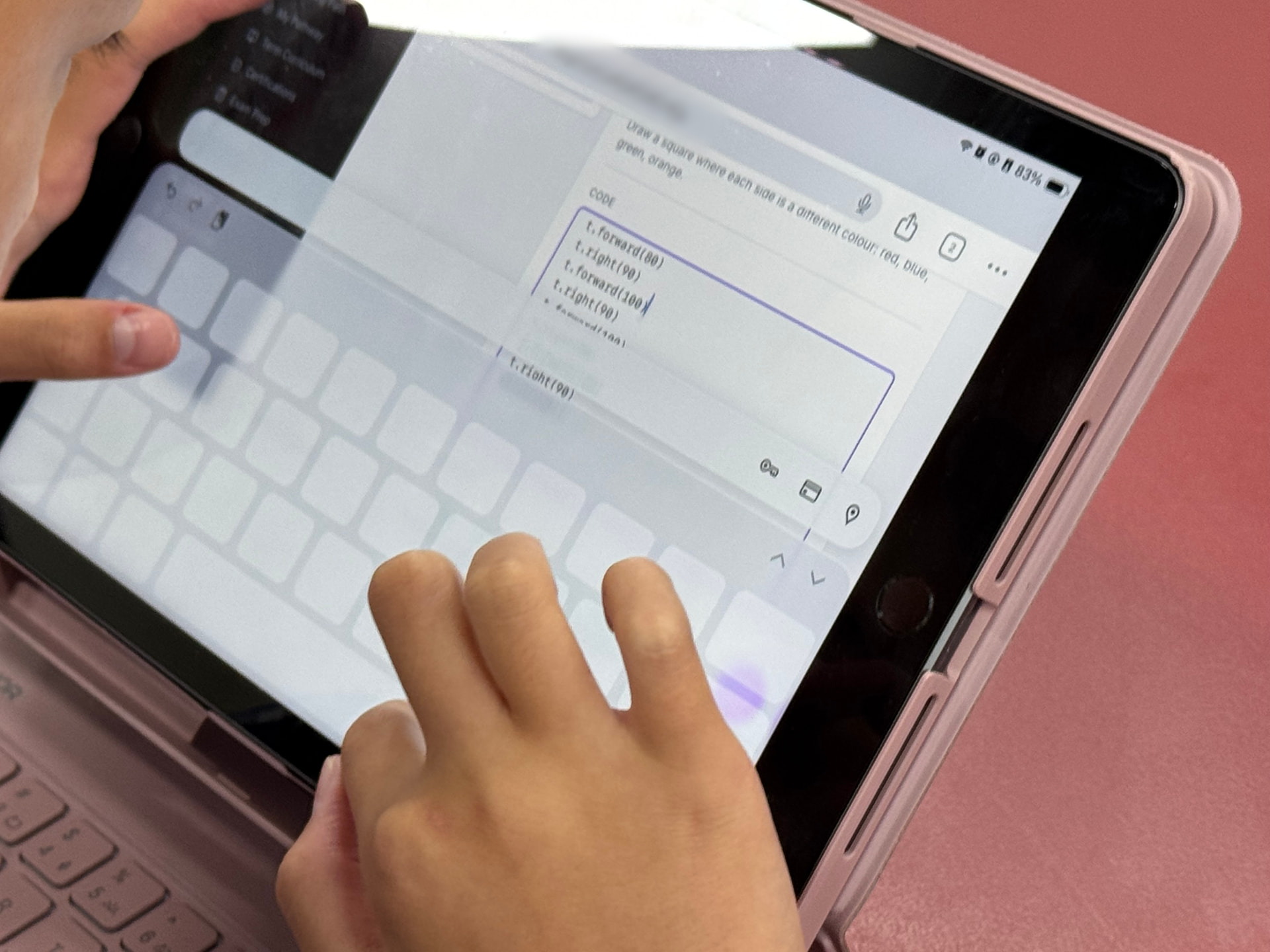
Robotics & Computer Science
An established progression course for students who already code and want to build more structured Python projects.
What students will learn
Curriculum
Each area is developed through guided explanation, practical work, testing and reflection.
Use core programming structures to turn instructions and decisions into working code.
Break problems into steps and select a clear approach before writing code.
Read program behaviour, identify errors and improve a solution through iteration.
Bring concepts together in simple, guided applications and projects.
Learning activities
Example projects
Core skills and outcomes
Learning progression
The suggested route moves from Applied Computer Science Academy into Advanced Python, then towards advanced programming, game development or specialist computer science. It is guidance rather than a mandatory prerequisite chain.
Explore
Read short programs and connect syntax with program behaviour.
Build
Use variables, conditions and logic in guided tasks.
Apply
Combine concepts in a practical project, then test and improve it.
Master
Prepare for advanced programming, game development or specialist computer science.
Your Credential Pathway
This course contributes towards the relevant Academy credential pathway. Students who complete the required learning and demonstrate the assessment standard may become eligible for certification.
Complete the Academy program.
Develop capability through challenges and guided activities.
Complete an applied project or performance.
Complete the relevant practical assessment and/or certification examination.
Earn the relevant Innovate Forge Academy credential when requirements are successfully demonstrated.
Credential opportunity
Assessment
Knowledge Assessment + Applied Programming Task
Demonstrate
Complete and explain a working Python application.
Next step
Independent software project (Level 3)
Explore Certification PathwayGrowth & Care approach
Where included in the confirmed program, educators can use questioning, code review and debugging practice to help learners explain decisions and solve problems independently.
The exact coaching, mentoring and pastoral-care practices included are confirmed for each program. An individually assigned mentor is not promised.
Explore our learning approachForge supports structured pathways, project portfolios and guided practice between sessions.
No Advanced Python session is currently confirmed on this page. Register your interest for Term 1 2027 updates.
View Term 1 2027 catalogueFees and enrolment arrangements are awaiting approval. Legacy 2026 pricing has not been transferred.
Enquire about this courseFrequently asked
Yes. The source curriculum connects Python with logic, problem-solving and simple applications.
No. It is a suggested route only; students with suitable experience may enter at an appropriate level.
No specific advanced topics or assessment requirements are confirmed on this page.
Related courses
These are suggested routes, not mandatory prerequisites. Existing experience can support a different entry point.
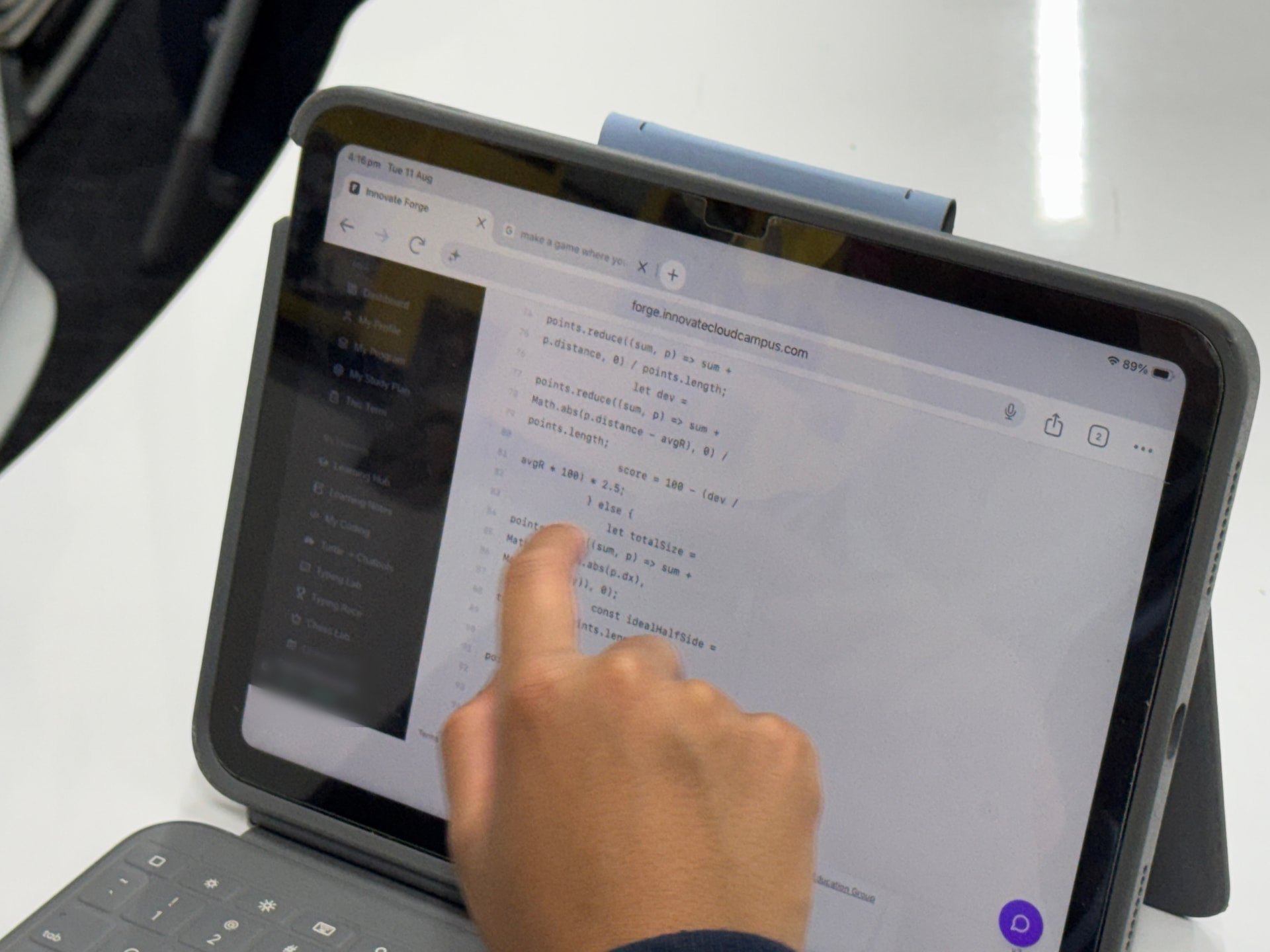
Robotics & Computer Science
Real coding for young creators — computational thinking, Python, HTML, CSS and JavaScript through live, educator-led projects.
Years 3–8 · Live online via Zoom · Max 8 students per instructor
Explore program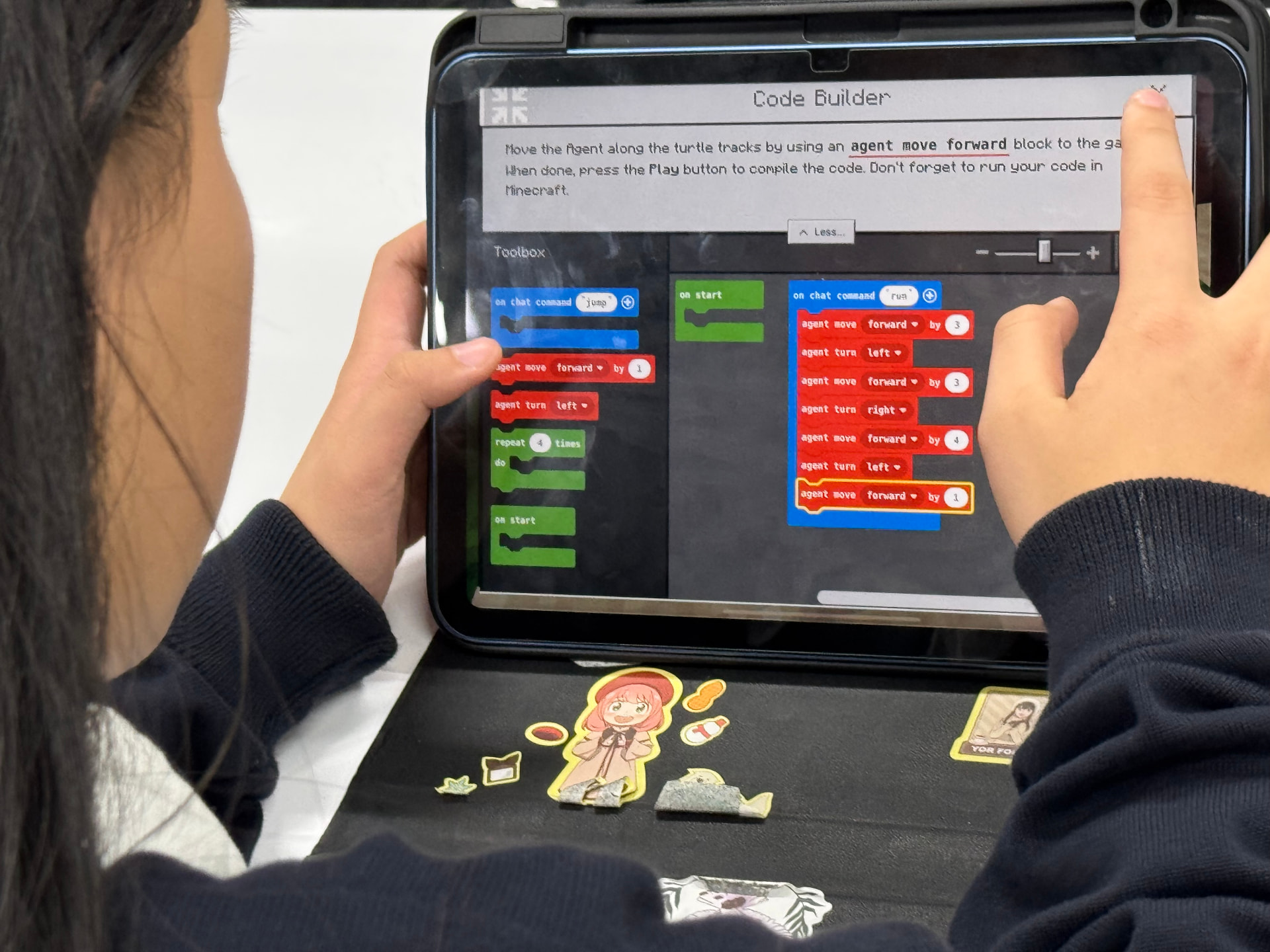
Robotics & Computer Science
Build games and learn how digital systems work — coding, game mechanics and structured Minecraft Education challenges.
Years 2–8 · Instructor-led in person · Max 8 students per instructor
Explore program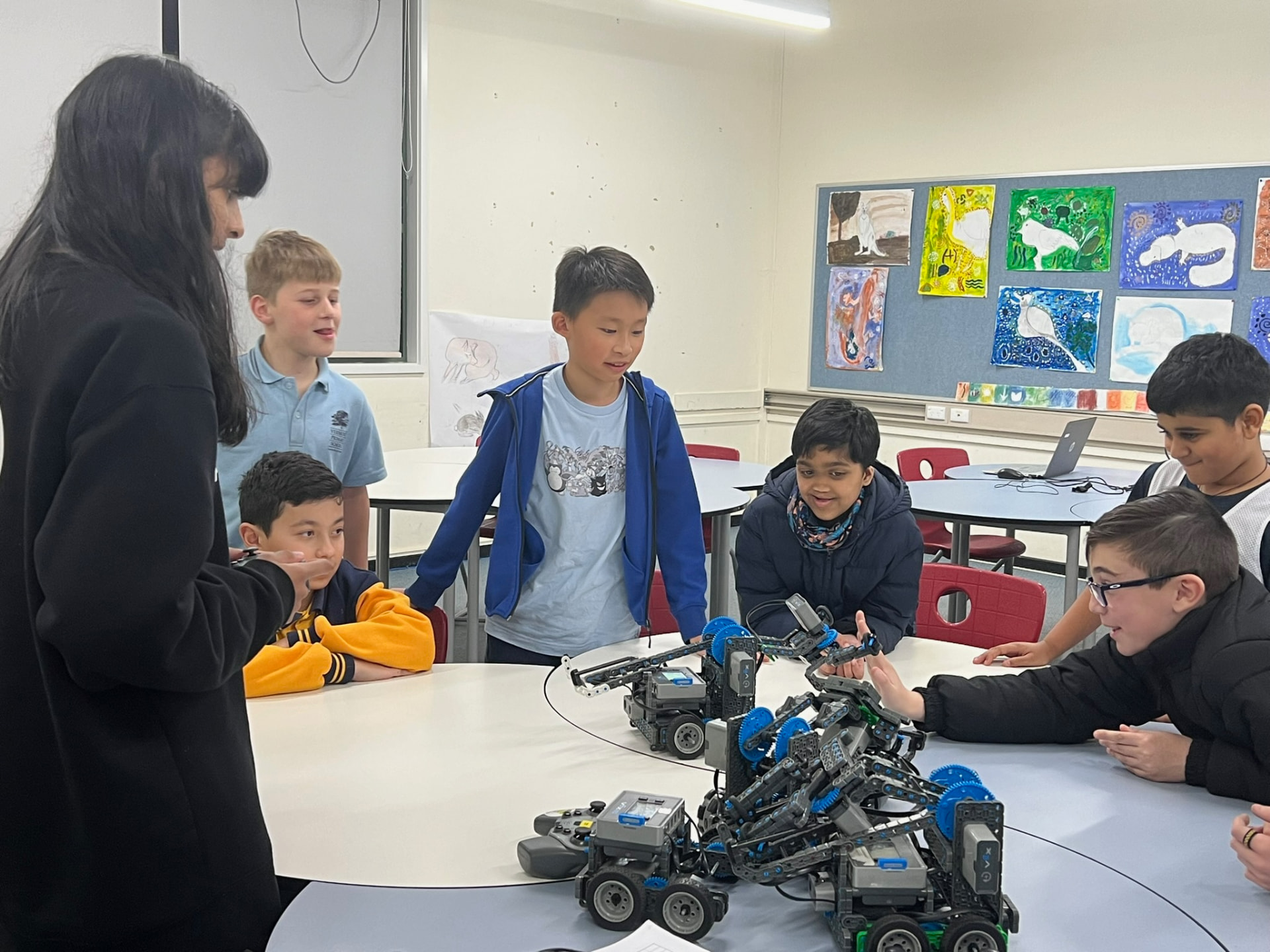
Robotics & Computer Science
One-on-one C++ tutoring that builds logical reasoning, algorithm design and disciplined debugging at your child's own pace.
1-on-1 tutoring · Open to enquiry
Explore programCurriculum-connected
Python builds text-based programming skills that support Digital Technologies in upper primary and secondary years.
Australian Curriculum v9
Victorian Curriculum
International references
These connections show how the program complements school learning. They are not accreditation or endorsement by any curriculum authority, and participation does not replace school assessment. Schools can request a program-level mapping summary.
Forge Discovery Starter Session
Not sure whether this program is the right starting point for your child? Explore our Forge Discovery Starter Session and discover an introductory learning experience relevant to your child's interests.
Tell us what your learner is curious about and we’ll help identify an appropriate next step.